
Cycling on Vashon and Maury Islands
Steep climbs off the ferry and narrow, shaded roads set the tone for riding on Vashon. A little preparation turns that into a good day on the bike.
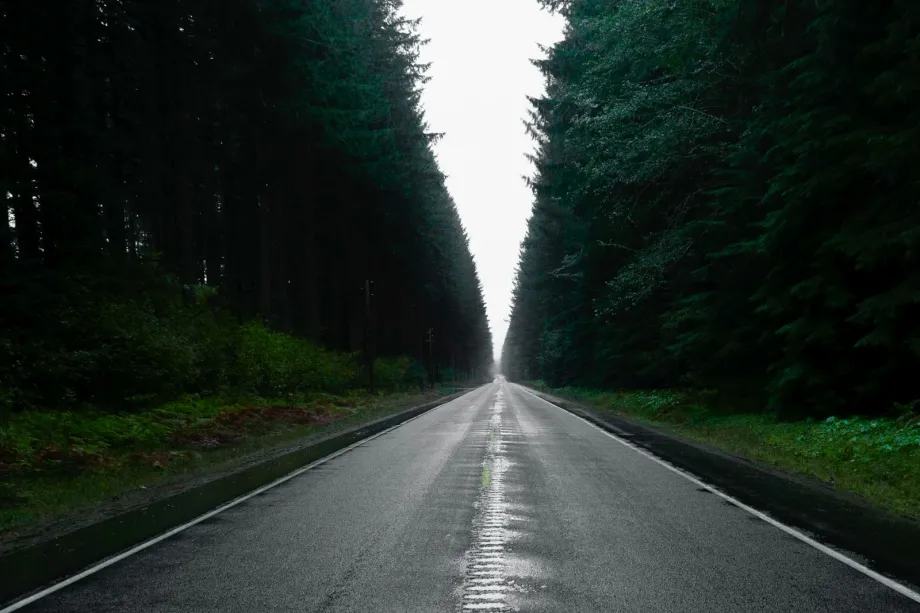
Riding on Vashon starts with a hill. Whichever ferry you take, the road leaves the water and climbs, and it rarely lets up for long after that. Cyclists who know what to expect enjoy quiet roads, farmland and water views. Those who do not tend to spend the first half hour pushing.
The lay of the land
Hills everywhere
Vashon and Maury are built of ridges and gullies rather than plains. Flat stretches are short, and many roads drop to the shoreline and climb straight back up. The climbs away from both ferry landings are steep and come before you have had a chance to warm up. Pick a gear early and keep your pace down.
Narrow, rural roads
Most island roads were built for light rural traffic. Bike lanes are rare, and paved shoulders often disappear, leaving the edge of the pavement right against a ditch, a bank of ferns or a line of trees. Blind corners are common, especially in wooded sections where tall conifers shade the road even on a bright afternoon. You will share these lanes with residents, delivery trucks, school buses and the occasional tractor.
Bringing your bike across
On the state ferries
Washington State Ferries carries bikes on all its Vashon routes: from Fauntleroy in West Seattle and from Southworth on the Kitsap Peninsula to the north end, and from Point Defiance in Tacoma to Tahlequah at the south end. Cyclists board as passengers and skip the vehicle line.
At the terminal, follow signs for bikes, pay the passenger fare and any bike charge, then wait in the spot crew assign to cyclists. Crew often send bikes aboard before the cars. On deck, tie or lean your bike against the rail or in the marked area and keep the walkway clear.
Getting off the boat
As the ferry nears the dock, go back down to your bike. Cyclists usually leave ahead of the cars, which spares you riding up the ramp in a cloud of exhaust. Arrive late at the car deck and crew may hold you until the vehicles have cleared. For current schedules, fares and terminal rules, check Washington State Ferries, run by WSDOT.
On the water taxi
The King County Water Taxi, a passenger-only boat between downtown Seattle and the north end of Vashon, also takes bikes. Rack space is limited compared with a car ferry, and the service does not run every day of the year. Read its current schedule and bike guidance before you go.
The bus as a backup
When a hill is too much or the weather turns, King County Metro buses offer a way out. Island routes connect the north landing, the town of Vashon and the south end.
Metro buses carry a rack on the front with room for only a few bikes, and using it comes with the regular fare. Tell the driver before stepping in front of the bus, fold the rack down, set your wheels in the tray and swing the support arm over the front tire. No straps or tools are needed.
Because space is so limited, a spot on any particular bus is not guaranteed. If the rack is full, you wait for the next one. Check Metro's trip planner and bike rules before you rely on this, especially if you ride an electric or cargo bike.
Riding safely on island roads
Position and predictability
With little or no shoulder, where you ride matters. Hold a straight, steady line as far to the right as is safe. Avoid sudden swerves around potholes or debris, since a driver behind you may have nowhere to go.
Riding in a group
Ride single file. Two abreast on a narrow lane forces drivers into risky passes on blind crests and curves. If a line of cars builds up behind you on a long climb, find a safe pullout or driveway and let them by. People here use these roads every day for school runs and errands, and a little courtesy keeps things friendly.
Road surface
Watch the pavement. Moss, gravel washed out of driveways, conifer needles and wet leaves all reduce grip, and they are worst on steep descents where you need to brake.
Gear, lights and weather
Puget Sound weather shifts fast. A light waterproof jacket is worth carrying even in summer, and shoe covers and full fenders make a wet ride far more bearable.
Visibility matters as much as rain gear. Deep shade can hide a cyclist from drivers even at midday. Run a bright white front light and a flashing red rear light all day, and wear bright or reflective clothing.
Carry what you need to fix a flat and make small adjustments: a pump, tire levers, a patch kit or spare tube and a multi-tool that fits your bike. Repair help on the island can be limited, so self-sufficiency pays off.
Riding between Vashon and Maury
Vashon and Maury are joined by a narrow land connection, so riding from one to the other is easy. Maury adds shoreline views, rolling farmland and quiet residential roads to a loop.
Food and water stops cluster in a few places rather than being spread across the countryside, so plan them before you set out. Pace yourself on the short, steep grades, and keep something in reserve. The last climb of the day is usually the one back up from the water, or down to the ferry and then up the other side.
Frequently asked questions
Can I take my bike on the ferry to Vashon?
Yes. Washington State Ferries carries bikes on its Vashon routes, and crew usually load cyclists before or alongside the cars. The King County Water Taxi also has bike racks. Check each operator for current rules and charges.
Do Metro buses on Vashon carry bikes?
King County Metro buses have a front-mounted rack with room for only a few bikes. Space is first come, first served. Check Metro for current rules on electric or heavier bikes.
What are the roads like for cyclists?
Paved but often narrow, hilly and without a usable shoulder. Expect blind curves, damp shaded pavement and gravel near driveways. Ride with lights and leave extra room on descents.
What gear should I bring?
A bright front light, a red rear light and visible clothing matter on tree-lined roads. Bring rain gear, fenders if you have them, and a basic repair kit with a spare tube, since help can be a long way off.