
Walking on or driving on the Vashon ferry
The car line is where most Vashon trips lose their time. Deciding whether to bring a vehicle, walk on or roll a bike aboard changes how the whole day goes.
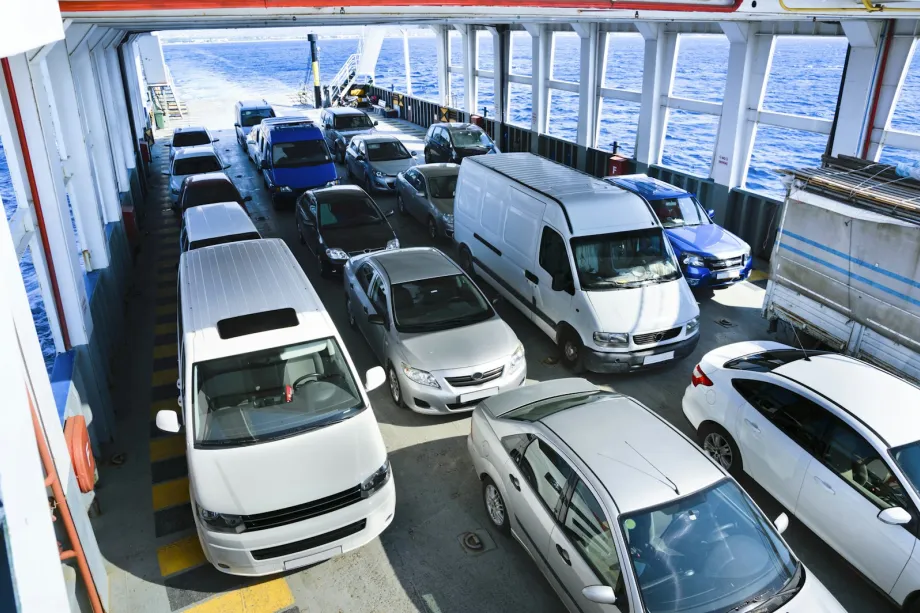
Nobody reaches Vashon without a boat, and that boat carries two very different kinds of traveler. Drivers spend part of the trip in a queue. Foot passengers mostly do not. Most of the advice below follows from that difference.
What driving on involves
The appeal of bringing a car
A car is the simplest way to see the island on your own terms. Vashon and Maury are spread out, the roads are hilly, and some beaches, trailheads and rental cottages sit a long way from any bus stop. If you are hauling camping gear, groceries for a week or small children, the car stays useful all day.
The cost: the line
The price of that freedom is time at the dock. Car decks hold a fixed number of vehicles, and on busy sailings demand runs well past that. Weekday mornings bring commuters leaving the island. Friday afternoons, sunny weekends and holidays bring visitors and returning residents heading out to it. When the holding lot fills, the line spills onto the street, and missing one or more boats becomes normal.
Drivers waiting in a street line need to stay with their cars so they can move up as the line advances. Do not block driveways or cross streets, and follow posted signs, since the rules for queuing near a terminal are enforced.
How the dock sorts vehicles
At the toll booth, staff check your destination and send you to a lane. Size matters too: a large van or RV may be placed differently from a small car. Crew then direct each lane onto the boat in an order that keeps the deck balanced.
Once parked, turn off the engine, set the brake and switch off your lights. You can stay in the car for the crossing or climb up to the passenger cabin and outside decks.
What walking on involves
Boarding on foot
Walking on skips the car line altogether. You buy a passenger ticket at the window or a kiosk, or use a regional transit card where it is accepted, then wait in the passenger area until the ramp opens.
Passenger cabins are rarely the limiting factor on these routes, so foot passengers can usually take the next boat even on a busy afternoon. That predictability is why many commuters and day visitors leave the car on the mainland.
Getting to the terminal without a car is the part to plan. Some people take a bus, some get dropped off and some park on the mainland where parking is allowed. On board, you have the full run of the cabin, restrooms and outside decks.
Bringing a bike
A bike sits between the two options. You board like a foot passenger, often ahead of the cars, but you have your own wheels on the other side. Buy your ticket, including any bike charge, and wait where crew direct cyclists. On deck, lean or tie the bike against the rail or in a marked area.
The trade-off shows up as soon as you land. Roads leading up from both Vashon terminals are steep and narrow, with little or no shoulder in places. Riders who are not used to climbing often find an electric bike or a very low gear makes the first stretch far more pleasant.
Terminal by terminal
Fauntleroy in West Seattle
Fauntleroy handles traffic for both Vashon and Southworth, which makes lane control tight. When the dock area fills, the queue extends along the neighborhood street leading to the terminal, and signals and signs tell drivers when to move. Walk-on passengers use separate walkways that lead past the toll booths to the terminal building and the passenger ramp. City buses also stop near the terminal.
Tahlequah on the south end
Tahlequah, the landing at the south tip of Vashon, connects to Point Defiance in Tacoma. Its holding area is small. When it fills, cars line up along the shoulder of the road leading down to the dock, in a quiet and wooded setting with little spare room. Foot passengers board on the ramp under the direction of dock staff. On the Tacoma side, travelers can reach the Point Defiance terminal by transit and walk on there.
Tools that help either way
Terminal cameras and alerts
Conditions at the docks change through the day with weather, vessel swaps and holiday traffic. Washington State Ferries, run by WSDOT, posts terminal cameras online so you can see the line before leaving home. It also sends service alerts by email and through its website and app, covering delays, cancellations and changes to the boat assigned to a route.
Buses on both sides of the water
On the Seattle side, King County Metro buses reach the Fauntleroy area. On Vashon, Metro runs island routes that connect with the ferry landings. Route numbers change from time to time, so use the Metro trip planner to find the current connection rather than a number you saw online.
The King County Water Taxi is another option for foot passengers starting downtown. It runs between the Seattle waterfront and the north end of Vashon on a schedule that varies, so check its current service days before counting on it.
A simple way to decide
If your day centers on one place in town and you travel light, walk on. If you need to reach several spread-out spots, carry heavy gear or travel with people who cannot manage hills or buses, drive and accept the wait. If you like riding and can handle steep climbs, bring the bike.
For sailing times, fares, bus connections and service changes, go to the operators directly: Washington State Ferries, King County Metro and King County Water Taxi.
Frequently asked questions
Is it better to drive or walk onto the Vashon ferry?
It depends on your plans. A car gives you freedom to reach quiet corners of Vashon and Maury, but it means waiting in the vehicle line. Walking on is usually quicker at the dock, and you can rely on Metro buses, a bike or a pre-arranged ride once you land.
Do foot passengers get left behind when a ferry is full?
It is much less common than for cars. Car decks fill long before the passenger cabin does on most sailings, which is why walking on is the steadier choice on busy days. Washington State Ferries posts alerts if anything unusual affects capacity.
How do bikes board the ferry to Vashon?
Cyclists buy a ticket, wait in the area crew point them to and roll aboard when signaled, often ahead of the cars. On deck, the bike goes against a rail or in a marked spot. Check Washington State Ferries for current rules and any bike surcharge.
How can I see the car line before I leave home?
Washington State Ferries publishes terminal cameras and service alerts online. A look at the camera for your terminal before you set out shows roughly how long the holding area and street line are.