
Winter travel to Vashon and Maury Islands
Wind, rain and the odd cold snap can slow every leg of a winter trip to Vashon. Plan with slack and check conditions often, and the quiet season is a pleasure.
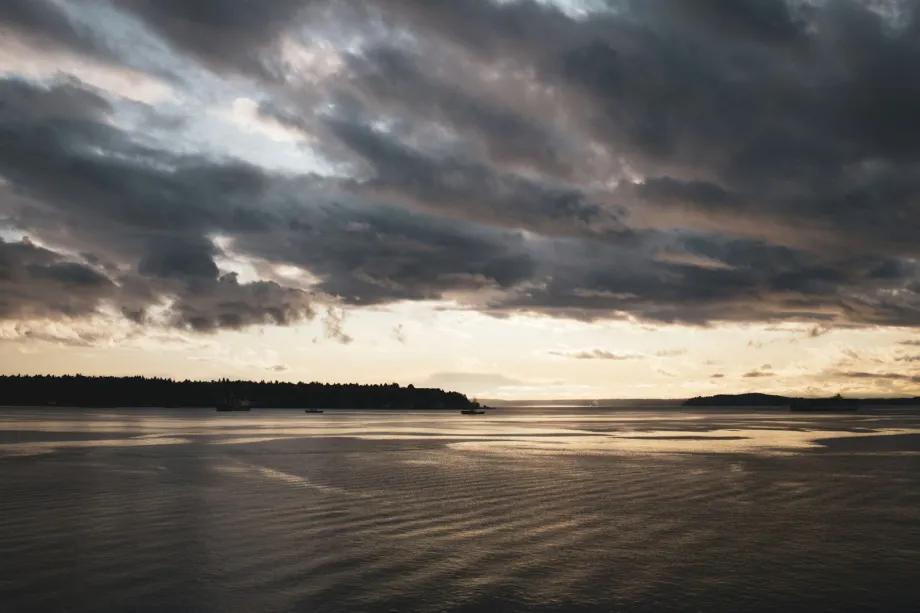
Winter on Vashon is quiet. The summer crowds are gone, the ferry lines are shorter, and gray light falls on empty beaches. It is also the season when weather has the most say in whether your trip runs to plan.
What winter weather means here
The Pacific Northwest winter brings steady rain, cool air and a stream of storm systems across Puget Sound. Vashon and Maury sit fully exposed to the water, and strong winds can whip up rough seas in the channels around them. Near sea level, temperatures often stay above freezing, but occasional cold snaps bring snow and black ice to island roads.
That changes how long things take. A crossing that is routine in summer can stretch out when wind forces a boat to slow down or wait at the dock. Big tides, heavy rain and swell sometimes combine to make landing at the ferry slips tricky. Check the regional forecast before you leave home so you know what you might meet at the terminal.
Ferries in bad weather
Everyone reaches the islands by boat. Washington State Ferries runs car ferries from Fauntleroy in West Seattle and Southworth on the Kitsap Peninsula to the north end of Vashon, and from Point Defiance in Tacoma to Tahlequah at the south end. The King County Water Taxi carries foot passengers between downtown Seattle and the north end on the days it operates.
Wind is the main problem for all of them. When conditions pass safe limits, crews slow down, wait at the dock or stop service for a while. Heavy wind on a high tide can also make docking hard enough to pause sailings at a particular terminal.
Where to get current alerts
Printed schedules lose their value fast on a stormy day, once delays start stacking up. Rely on live updates from the operators instead.
Washington State Ferries, part of WSDOT, posts service alerts on its website and app and by email. They cover cancellations, delays, vessel swaps and terminal problems. King County runs the water taxi and King County Metro runs the island buses. Check their websites or sign up for their alerts to hear about water taxi cancellations and bus detours.
Storms and power outages
Vashon and Maury are full of tall evergreens, steep slopes and overhead power lines. In winter windstorms, soaked soil and strong gusts bring down branches and whole trees across roads and lines.
Outages can last from a few hours to several days after a major storm, and when a main line fails, large parts of the island lose power at once.
How an outage changes your visit
When the power goes out, the effects spread quickly. Fuel pumps stop unless a station has a generator. Grocery stores and restaurants may close or offer limited service. Cell service can weaken if towers lose backup power during a long outage. Electric heat stops, and so do electric vehicle chargers.
Rental guests and day visitors alike should be ready to go without light and heat for a while. Warm clothing, a flashlight or headlamp, a charged battery pack and drinking water make a sudden blackout much easier. If you are driving when it happens, treat any dark traffic signal as an all-way stop.
Hills, snow and ice
The islands rise from the water to a rolling upland, and the roads down to the ferry landings, parks and beach neighborhoods are steep and curving.
Snow is less common than rain, but cold snaps do bring wet, heavy snowfalls. When temperatures drop overnight, wet pavement turns to black ice, especially in shaded forest stretches and low spots near the water.
Driving and road clearing
Road crews usually clear the main highway first. Side roads, gravel lanes and steep access hills come later and may stay rough for some time after a storm.
Take descents to the ferry landings slowly in icy weather. Good tires matter more than anything else, and all-wheel drive helps. Chains or other traction devices are worth carrying if cold weather is in the forecast.
If driving feels unsafe, park somewhere sensible and use the bus. King County Metro runs island routes and may switch to snow routes in severe weather, avoiding steep hills and unplowed streets. Check Metro's alerts to see which stops are served.
Building in flexibility
An easy winter visit starts with a loose plan. Tight timings cause stress when a sailing is late or roads are slow.
Leave extra time for every leg, and get to the terminal early, especially when weather leads to combined or delayed sailings. Keep a backup route in mind. If wind stops the water taxi, the car ferry from Fauntleroy may still be running, though perhaps on a changed schedule.
Even for a day trip by car, carry a winter kit: blankets or a sleeping bag, food that keeps, drinking water, a flashlight with spare batteries, a first aid kit with any medicines you need, and a phone charger.
Watch the National Weather Service forecast before you leave the mainland. If a windstorm or winter storm warning covers Puget Sound, postponing is often the wisest choice. Respect the weather and plan ahead, and a winter visit rewards you with empty shorelines and wide views across the Sound.
Frequently asked questions
Do ferries to Vashon run during winter storms?
Strong wind and rough water can delay or cancel sailings. Washington State Ferries and King County Water Taxi adjust or pause service when conditions are unsafe. Check their alerts before you head to the terminal.
How do power outages affect visitors?
Falling trees in winter storms can cut power across the island. An outage can close shops, stop fuel pumps, weaken cell service and turn off electric heat. Carry warm layers, a flashlight, water and some food.
Are island roads hard to drive in winter?
Steep roads down to the ferry landings and the shoreline can turn slick in ice or snow. Main roads are usually cleared first, and steep side roads may wait longer. Good tires and a slow pace help.
Where can I check conditions before I travel?
Washington State Ferries, run by WSDOT, posts alerts for the car ferries. King County Water Taxi and King County Metro post alerts for passenger boats and island buses. The National Weather Service covers storm warnings.